The holistic guide to hairball help (that actually works)
If you have a cat, you know the sound. That unmistakable retching, gagging, hacking noise at 3am that sends you flying out of bed in a panic. And then you find it. The hairball. On your favorite rug, obviously.
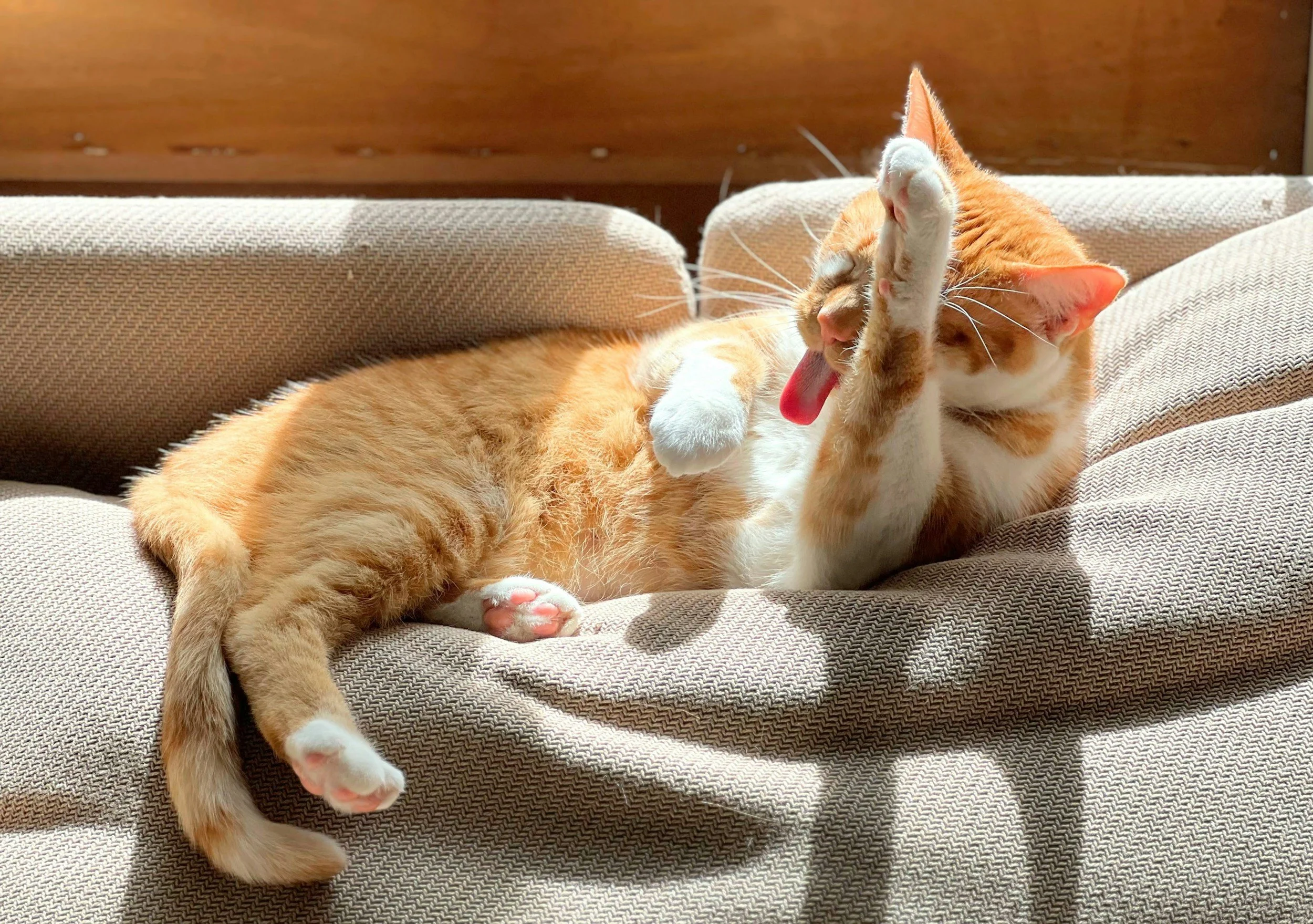
Holistic support for a happier, healthier gut.
Because hairballs should not be your cat's normal
Hairballs are one of those things we tend to just accept as part of cat life. But here is the thing, while they are common, they do not have to be your cat's normal. And when they are happening frequently, they are usually your cat's body waving a little flag saying "hey, something is off in here."
Today I want to walk you through what is actually happening when your cat hacks up a hairball, why some cats struggle more than others, and most importantly what you can actually do about it holistically.
First, let's talk about what is really going on
When your cat grooms themselves, they swallow a ton of loose fur. Ideally, that fur passes through their digestive tract and comes out the other end. No drama, no hacking, no 3am wake-up calls. But when the gut is sluggish, inflamed, or not moving things along the way it should, that hair starts to clump together in the stomach and your cat's only option is to bring it back up.
So frequent hairballs are really a gut motility issue just as much as they are a grooming issue. That is why the conventional "just give them a petroleum-based hairball paste" approach feels a little icky to me. We are just lubricating the symptom rather than supporting the system underneath it.
The holistic approach: working with the body, not against it
1. Support the gut first
A healthy gut is the foundation of everything. When your cat's digestive system is functioning well, hair moves through more easily and the whole situation becomes a lot less dramatic. This is where I love bringing in this amazing product: Gut Soothe. It combines pre and probiotics with slippery elm and a few other powerful herbs to calm inflammation, restore healthy gut flora, and get things moving the way they should. If your cat is a chronic hairball producer, this is one of the first things I reach for.
2. Try a natural hairball remedy
If you want something more targeted, I really like having these natural hairball tablets on hand. These work with your cat's system rather than just coating everything in petroleum jelly. They aren’t the absolute best ingredients ever, but they work and would be my first pick if you have a cat who is hesitant with trying new things. And for a gentler, more energetic approach, this homeopathic hairball support blend is a great option to have in your toolkit, especially for sensitive kitties.
3. Address the shedding at the source
Less loose fur going in means fewer hairballs coming up. It is that simple. Regular brushing with a quality deshedding brush can make a huge difference. I went through probably 10 cheap Amazon/Chewy brushes before I found this one and let me tell you… I would buy it over again because it’s just that good. I know it sounds basic but so many cat parents skip this step and then wonder why their cat is hacking every other day. Make it a little bonding ritual a few times a week and your cat (and your rugs) will thank you.
4. Feed for a healthy coat from the inside out
Excessive shedding and poor coat quality are often signs of nutritional gaps, specifically a lack of healthy fats. Two things I love for this are quail egg yolks (a biotin and nutrient powerhouse that supports skin and coat health) and a high quality omega oil. You could also give some canned sardines (in water, no oil or salt/seasonings) instead of the omega oil. When your cat is getting the right fats and nutrients, their coat naturally sheds less, which means less fur going down the hatch in the first place.
5. Do not underestimate hydration
This one is so overlooked and I cannot stress it enough. A well-hydrated gut moves things along much more efficiently, including fur. Most cats are chronically underhydrated, especially if they are eating primarily dry food, and this contributes to that sluggish gut motility we talked about earlier.
If you want a full breakdown of how to actually get your cat drinking more water and why it matters so much for hairballs and beyond, I put together a free hydration guide just for this. Grab it here, it is completely free.
Putting it all together
Hairballs are not just a grooming quirk. They are a window into your cat's overall digestive and nutritional health. When you start supporting the gut, improving coat health from the inside, keeping up with brushing, and prioritizing hydration, you will likely notice the hairballs becoming less frequent and less dramatic over time.
Small shifts really do add up, and your cat does not have to live in hairball chaos. I promise.
Disclaimer: The information shared on this blog is for educational purposes only and is not intended to diagnose, treat, or replace professional veterinary care. I am not a veterinarian. Every cat is different and what works for one may not work for another. If your cat is experiencing frequent hairballs or any concerning symptoms, please consult your veterinarian. Always do your own research and use your best judgment when making decisions about your cat's health. This post contains affiliate links. I only recommend products I genuinely believe in and use myself. Thank you for supporting Holistic Thriving Cats.
